








 USDC
USDC USDT
USDT Bitcoin
 Ethereum
Best Crypto Debit Cards in 2026
Crypto debit cards and stablecoin cards are becoming one of the easiest ways to spend digital assets in everyday life. The best options let you hold stablecoins, spend through Visa or Mastercard rails, earn cashback, and avoid unnecessary fees.
For this guide, we compared several crypto card products based on rewards, fees, card access, stablecoin support, country availability, and whether the advertised benefits are actually easy to use.

#1 Rizon Card
Top pickEarn up to 2.5% cashback, use code: QPATH
- 2.5% all purchases
- Visa network
- Debit card
- No annual fee

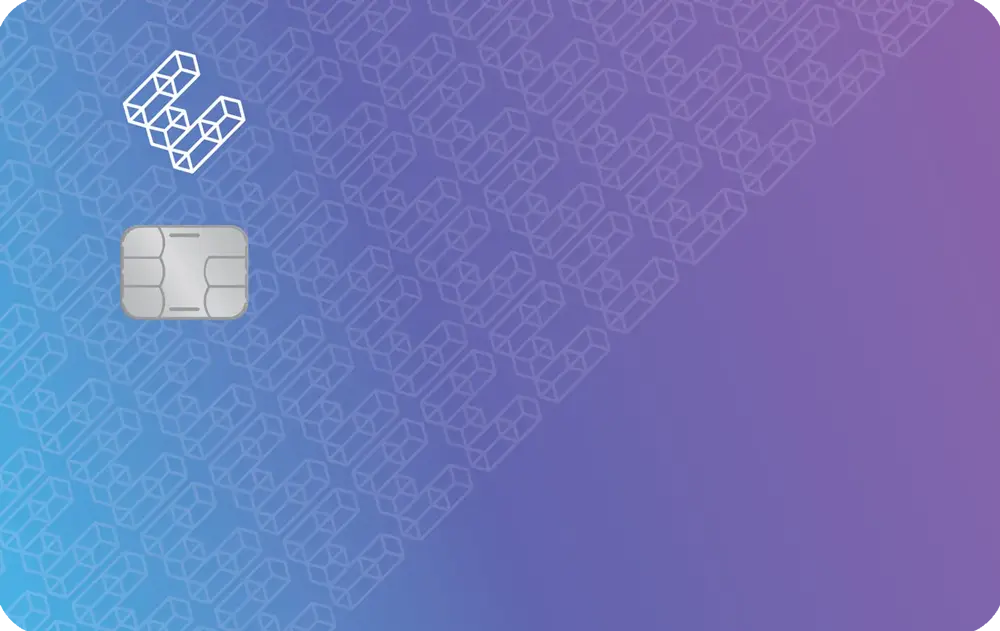
#3 ether.fi Cash Card
ether.fiCashback on all purchases
- 3% all purchases
- Visa network
- Credit card
- No annual fee
Best Crypto Debit Cards at a Glance
|
Card |
Best For |
Rewards |
|---|---|---|
|
Rizon |
Best overall crypto card |
2.5% cashback in USD |
|
Kast |
Global stablecoin spending |
Up to 5% cashback |
|
ether.fi Cash |
Crypto natives |
Up to 3% cashback |
|
RedotPay |
Broad international access |
No cashback |
|
Avici |
Self-custody |
Varies |
1. Rizon — Best Overall Crypto Debit Card
Earn up to 2.5% cashback, use code: QPATH
- 2.5% all purchases
- Visa network
- Debit card
- No annual fee
Rizon is our top pick for 2026 because it keeps the value proposition simple: real USD cashback, a physical Visa Platinum card, and built-in USD and EUR accounts without requiring a paid membership tier.
- 2.5% cashback paid in real USD
- Free physical Visa Platinum card
- USD and EUR accounts built in
- No paid tier required
The biggest advantage is that Rizon’s rewards are paid in usable dollars rather than points, locked rewards, or a platform token. That makes it easier to understand the actual value you are getting back from everyday spending.
2. Kast — Best for Global Stablecoin Spending
Kast is a strong option for users who want broad international availability and a stablecoin-focused spending account. It supports more than 170 countries and 18 currencies, with Visa Platinum and Visa Infinite card options.
- Available in 170+ countries
- Supports 18+ currencies
- Free entry tier available
- Up to 7% APY on balances
- Cashback up to 5%
The main drawback is that the top cashback tier requires a paid membership that may cost $1,000 to $10,000 per year. Part of the reward may also be locked until a future token or equity conversion, which makes the headline cashback rate less straightforward.
3. ether.fi Cash — Best for Crypto-Natives
ether.fi Cash Card
ether.fiCashback on all purchases
- 3% all purchases
- Visa network
- Credit card
- No annual fee
ether.fi Cash is designed for crypto users who already understand DeFi, staking, restaking, and borrowing against crypto collateral. It offers a non-custodial Visa card with support for Apple Pay and Google Pay.
- Up to 3% cashback on purchases
- 0% FX on USD and EUR spending
- Accepted at 100M+ merchant locations
- Non-custodial
ether.fi Cash is compelling if you want to spend against crypto without fully exiting your position. However, the full value of the product is tied to ether.fi’s broader DeFi ecosystem, including membership features and yield products. That makes it less simple than a standard crypto debit card.
4. RedotPay — Best for Broad Access, but Watch the Fees

None (one time issuance fee), 1.2% FX fee
- Visa network
- Debit card
- None (one time issuance fee)
- 1.2% FX fee
RedotPay has wide reach and a large user base, but it ranks lower because it does not currently offer cashback and has higher card-related costs than stronger options.
- Available in 100+ countries
- 7M+ users
- $10B+ payment volume
- P2P marketplace built in
- No cashback or rewards
RedotPay may still be useful for users who primarily need access to a crypto payment card, but the $100 physical card fee, FX fees, ATM fees, and user complaints around frozen accounts make it harder to recommend as a top pick.
5. Avici — Best Early-Stage Self-Custody Concept
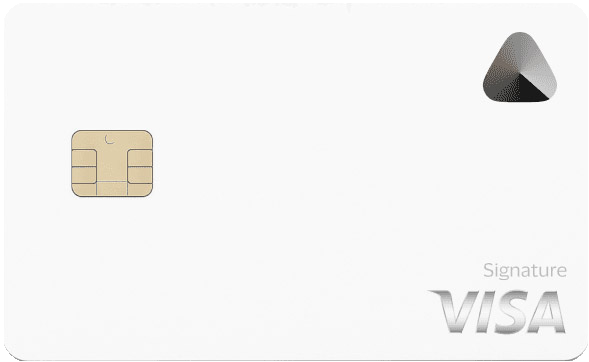
Avici Card
AviciOne-time fee for Platinum, annual fee for Signature, 0% FX fee
- Visa network
- Credit card
- One-time fee for Platinum, annual fee for Signature
- 0% FX fee
Avici is an early-stage crypto card concept focused on self-custody and spending without selling crypto. It has interesting ideas, but the product still appears less developed than the top cards on this list.
- Spend crypto without selling it
- Self-custody by design
- No gas or interchange fees advertised
- Multiple cards by spending category
The biggest limitation is that core features are still marked as coming soon, including the credit line. Avici also does not clearly publish a cashback rate or complete fee schedule, making it difficult to compare against live card products.
How to Choose the Best Crypto Debit Card
The best crypto card depends on how you plan to use it. Some users want simple stablecoin spending, while others want DeFi access, high cashback, or the ability to borrow against crypto.
Check what the rewards are paid in
Cashback paid in USD or another stable currency is easier to value than points, locked rewards, or a platform token. If a card advertises high cashback, check whether those rewards are immediately spendable.
Look beyond the headline cashback rate
A card advertising 5% or 10% rewards may require a paid plan, token staking, a high annual membership fee, or reward lockups. Compare the rate you will actually qualify for.
Review the full fee stack
Crypto cards can include card issuance fees, ATM fees, foreign exchange fees, monthly plan fees, crypto conversion fees, and withdrawal fees. A high-reward card can become expensive if the fee structure is complicated.
Confirm availability in your country
A provider may advertise global availability, but features can vary by region. Physical card shipping, Apple Pay, Google Pay, USD accounts, EUR accounts, ATM withdrawals, and rewards may not be available everywhere.
Understand custody
Some cards require you to deposit assets with a custodial platform. Others are non-custodial or let you spend against crypto without selling it. Custody affects risk, user experience, and how quickly you can access funds.
Crypto Debit Card Red Flags
- Locked rewards: Rewards that cannot be spent immediately may be worth less than advertised.
- Platform-token cashback: Cashback paid in a native token can fluctuate or drop in value.
- High physical card fees: A card with a $50–$100 issuance fee should offer enough value to justify the cost.
- Unclear fee schedules: Avoid cards that do not clearly publish FX, ATM, card, and withdrawal fees.
- Coming soon features: Do not rank a card highly based only on features that are not live yet.
- Account freeze complaints: Search recent reviews before depositing significant funds.
Which Crypto Debit Card Is Best?
For most users, Rizon is the best overall crypto debit card in 2026 because it offers 2.5% cashback in real USD, a free physical Visa Platinum card, and built-in USD and EUR accounts without forcing users into a paid rewards tier.
Kast is a strong alternative for global stablecoin users, while ether.fi Cash is better suited to crypto and DeFi-native users who want a non-custodial card experience.
FAQ
Are crypto debit card rewards always paid in dollars?
No. Some cards pay rewards in USD or stablecoins, while others pay in points or platform tokens. USD cashback is usually easier to value because it is not dependent on a future token conversion or market price.
Do crypto debit cards require KYC?
Yes. Most legitimate crypto card programs require identity verification because they connect to traditional card networks and payment infrastructure.
What is the best crypto debit card for stablecoins?
Rizon is the strongest overall pick for stablecoin users who want simple rewards, USD cashback, and built-in fiat accounts. Kast is also worth considering for international users who want broad country and currency support.
Are crypto debit cards safe?
Crypto cards can be useful, but they are not risk fee. Review custody, fees, account restrictions, user complaints, and current terms before depositing funds.
Crypto card terms, fees, availability, and rewards can change quickly. Always confirm current details directly with the provider before signing up.
Keep exploring
Compare cards directly, understand how rewards work, and explore the apps connecting stablecoins with everyday spending.
Compare crypto cards
Filter cards by rewards, fees, network, material, and card type.
Compare card rewards
See reward rates, earning rules, annual fees, and foreign transaction fees.
Pay with stablecoins
Learn how cards and payment apps turn USDC and USDT into everyday spending.
Explore stablecoin banking
Compare apps for holding, moving, spending, and managing digital dollars.

Find stablecoin earn apps
Research app-based stablecoin accounts, rates, access, and product tradeoffs.
Browse crypto neobanks
Review crypto-first accounts that combine payments, cards, and digital assets.