
 USDC
USDC USDT
USDT Bitcoin
 Ethereum
What this table compares
Normalized offers with the stablecoin, product type, APR or APY, requirements and checked date.
How rates are ranked
Platforms are ordered by accessible base rate. Conditional maximums remain separate and APR is not relabeled as APY.
What to verify
Check the asset, term, tier, eligibility, geography, and withdrawal rules on the platform before depositing.
A stablecoin interest rate is the return offered for lending or otherwise deploying a stablecoin. The rate may be described as APY, APR, rewards, or yield depending on the product. Because terms differ, compare the base rate you can actually qualify for—not only the advertised maximum.
Important: stablecoins and crypto earning products are not the same as insured bank savings accounts. Stablecoin issuer, platform, custody, liquidity, smart-contract, and regulatory risks can put principal at risk.
Compare Stablecoin Interest Rates
| Platform | Asset & product | Base rate | Maximum | Requirements & freshness |
|---|---|---|---|---|
  | USDCflexible lending | 29.5% APY | - | Checked August 11, 2026 |
  | USDTflexible lending | 20.00004184% APY | - | Checked July 26, 2026 |
  | DAIflexible lending | 20% APY | - | Checked July 21, 2026 |
  | DAIflexible lending | 17% APR | 23% APR | Checked August 6, 2026 |
  | USDCflexible lending | 15% APY | - | Checked September 18, 2026 |
  | USDTfixed lending | 14% APY | - | 90 daysChecked July 21, 2026 |
  | RLUSDflexible lending | 12% APR | - | Minimum deposit: 10 RLUSD. Flexible withdrawals, no lockup, and daily interest compounding. Not available to US users.Checked July 21, 2026 |
  | USDTpromotional lending | 10.52% APY | - | Current featured AscendEX Earn estimate. The displayed return is promotional; confirm the yield generator, cap, and withdrawal terms before subscribing.Checked August 23, 2026 |
  | usdcfixed savings | 8.2% APR | - | 12 month lockupChecked August 6, 2026 |
  | USDCflexible lending | 7.47% APY | 8.47% APY | Bonus APY $10k deposit and/or deposit for 3 monthsChecked August 20, 2026 |
  | USDGflexible lending | 7% APY | - | Estimated variable rate; eligible US users; self-custody wallet lending through a Morpho vault.Checked July 12, 2026 |
  | DAIflexible lending | 6% APY | - | Checked May 11, 2026 |
  | USDTflexible savings | 5.75% APY | - | |
  | USDCflexible lending | 5% APY | - | Checked September 7, 2026 |
  | USDCflexible lending | 4.5% APY | - | Official page shows the USDC token rate; the separate platform-wide up-to rate is not treated as an asset-specific maximum.Checked August 20, 2026 |
  | USDTflexible lending | 4.25% APR | - | Krak Earn USDT rewards at variable 4.25% APR; geographic and verified-account eligibility restrictions apply.Checked September 7, 2026 |
  | PYUSDflexible lending | 4% APY | - | Checked August 6, 2026 |
  | USDCflexible lending | 3.85% APY | - | Checked May 11, 2026 |
  | USDCflexible lending | 3.79% APY | - | Checked May 11, 2026 |
  | USDCflexible lending | 3.75% APR | - | Flexible Opt-In Rewards; variable 3.75% APR, maximum eligible balance 10 million USDC. Geographic restrictions apply. Separate bonded and fixed-rate products excluded.Checked September 7, 2026 |
  | USDCflexible rewards | 3.5% APY | - | Coinbase One membership required; availability is subject to location.Checked August 23, 2026 |
  | USDCflexible lending | 3.3% APY | 7% APY | Checked May 11, 2026 |
 | USDCflexible lending | 3% APY | 10% APY | |
  | USDTflexible lending | 2.01% APY | 3.79% APY | Checked May 11, 2026 |
  | USDCflexible lending | 2% APY | 10% APY | Lockup for 14 daysChecked May 11, 2026 |
  | USDCflexible lending | 2% APY | - | Checked May 11, 2026 |
  | USDCflexible lending | 0.5% APY | - | Checked May 11, 2026 |
How to Compare Stablecoin Yield Offers
Coin Interest Rate compares current stablecoin rates across rewards, lending, savings and vault products. The table identifies the stablecoin, product structure, APR or APY, requirements and checked date for each selected offer.
Find crypto lending services available in the USA.
Start with the base rate available without additional conditions, then inspect any maximum. A maximum may require a fixed term, eligible balance, membership, loyalty tier or another token. Verify the current terms directly before depositing.
How to Earn Interest on Stablecoins through Centralized Platforms
Earning returns on stablecoins via centralized platforms can be a straightforward process. Here’s a step-by-step guide to understanding how it works:
- Select a Platform: Begin by researching and choosing a platform that offers yield on stablecoins.
- Create an Account: Sign up for an account with your selected platform. This usually involves providing personal information for verification purposes (KYC).
- Deposit Stablecoins: Once your account is set up, deposit the stablecoins you own into your account on the platform. On many platforms, you can also buy stablecoins directly. USDC and USDT are the most commonly supported.
- Choose an Earn Product: Platforms typically offer several yield-bearing products. You’ll need to select the one that suits your financial goals and risks. Some might require fixed-term deposits, while others provide flexible accounts with different rates.
- Start Earning: After deploying your stablecoins and selecting a product, you’ll begin to accrue returns. The returns are typically compounded daily or monthly, increasing your earnings over time.
- Monitor and Withdraw: Keep an eye on your earnings through the platform’s dashboard. When you’re ready, you can withdraw your interest or reinvest it to compound your returns.
By following these steps, you can leverage these services to earn on your stablecoin holdings.
What is the Best Stablecoin for Yield Generation?
When considering which stablecoin is best for generating yield, it’s essential to consider both popularity and transparency.
Popular Choice for Yield:
Among stablecoins, USDC and USDT are favored due to their widespread use and acceptance. These stablecoins often have higher liquidity and are commonly integrated into various finance platforms, making them a readily accessible choice for yield generation.
Stablecoin Benefits
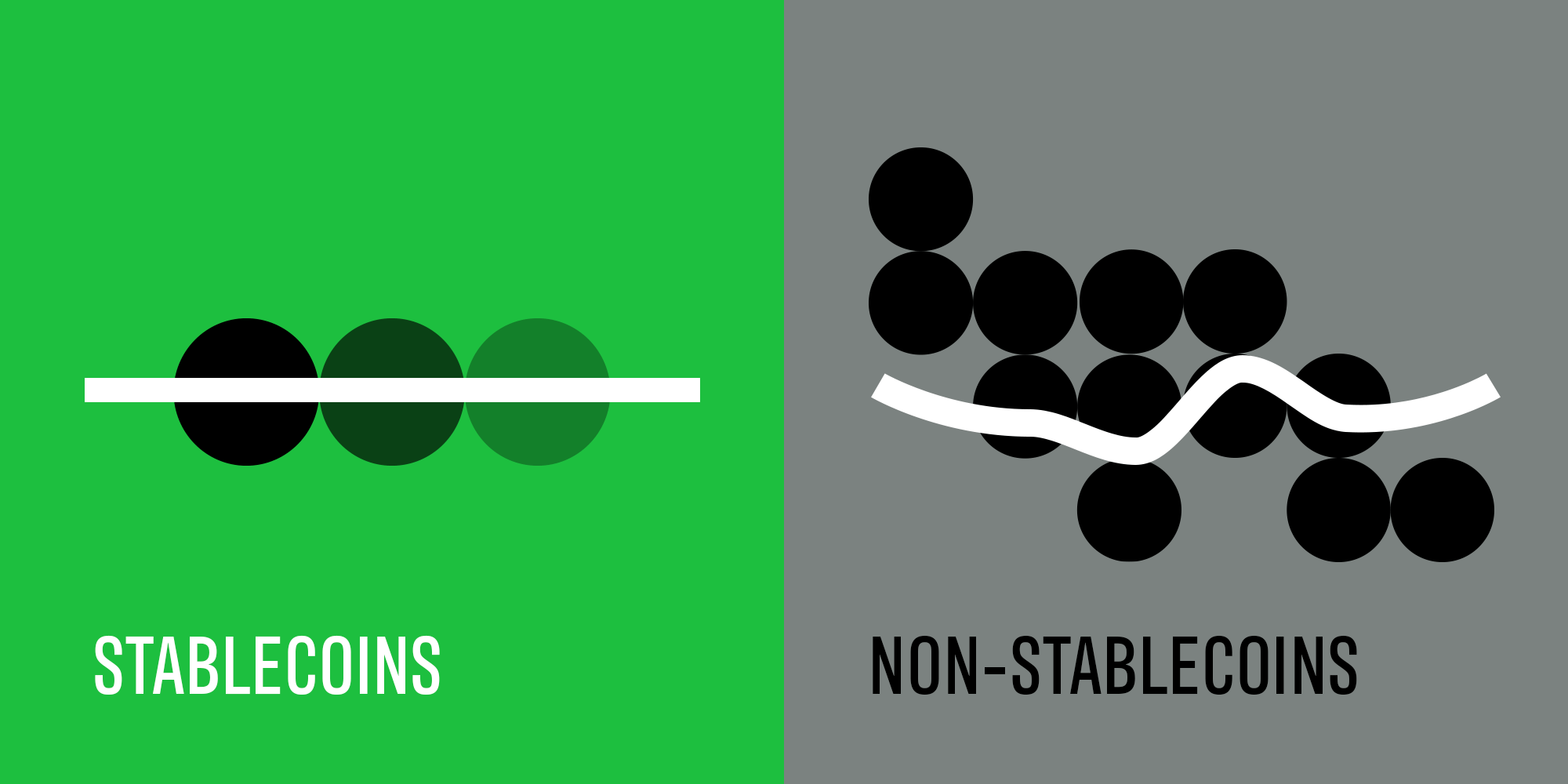
Stablecoins such as USDT (Tether) and USDC (Circle) are pegged to the USD and are beneficial for many purposes, such as price stability when compared to other coins (like Bitcoin). This makes stablecoins an excellent medium for taking loans, payments or money transfers.
List of Popular Stablecoins
- Circle (USDC)
- Tether (USDT)
- DAI (DAI)
- Gemini Dollar (GUSD)
- Binance USD (BUSD)
- True USD (TUSD)
Browse list of all stablecoins at Coin Market Cap.
Understanding Stablecoin Yield Potential
A stablecoin’s price target does not make its yield product low risk. The return can depend on platform rewards, borrowers, collateral, liquidity, smart contracts or a managed strategy.
Which Should You Choose?
- For Growth: If you’re seeking higher returns and are comfortable with the associated risks and nuances of the crypto space, stablecoins could be an attractive option.
- For lower complexity: compare the crypto product with regulated cash products, while accounting for insurance eligibility, access and after-fee return.
Understanding your financial goals and risk tolerance will guide your decision between these two pathways. The choice ultimately depends on whether you value potential growth over guaranteed security.
When considering earning yield on stablecoins, it’s essential to be aware of the associated risks. These risks can be generally categorized into two main areas: stablecoin risk and platform risk.
Stablecoin Issuer Risk
Issuer risk includes the quality, custody and transparency of the assets supporting a stablecoin, along with redemption rights and operational controls. Review current issuer disclosures and independent assurance reports rather than treating every dollar peg as equivalent.
Platform Risk
Platform risk involves the potential dangers stemming from the platform where you’re depositing your stablecoins. This risk includes the possibility of asset misuse or mismanagement, which may lead to a loss of your holdings. Unlike traditional banking systems, “yield-generating activities” with cryptocurrencies often lack regulation, exposing users to platforms that could be engaged in higher risk practices.
Due Diligence
It’s wise to conduct thorough research before committing your funds to any platform. Investigate the platform’s business model, seek out independent reviews, and stay updated on any regulatory changes that might affect the way these platforms function. Remember, while stablecoins shield you from the direct volatility of cryptocurrencies, they still carry inherent risks related to the platform’s operational integrity and evolving legal landscapes.
By understanding these risks, you can make more informed decisions about where to allocate your stablecoin investments and safeguard your assets.